
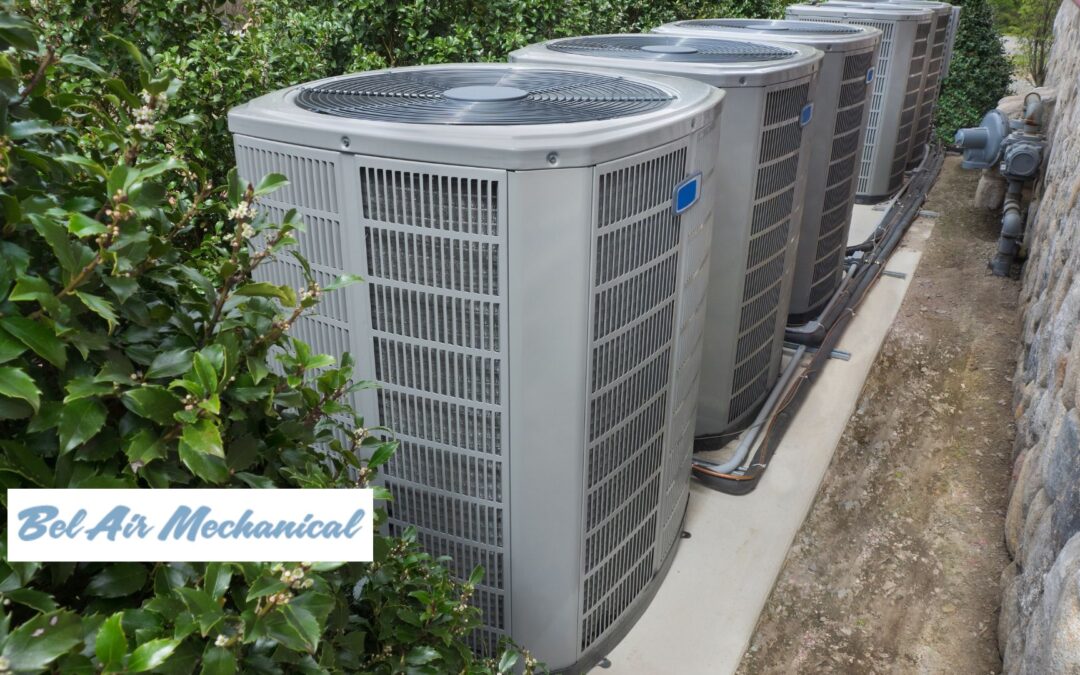
How AC Works
Understanding how air conditioning (AC) systems operate can feel like peering into a complex machine. Yet at their core, most AC units share the same basic principles: transferring heat from indoors to outdoors, cooling the air, and circulating it to keep indoor spaces comfortable. In this post, we’ll break down the major components, explain the refrigeration cycle in simple terms, and highlight the HVAC benefits that come with a well-maintained system.
Introduction to the basics
Air conditioning is essentially a heat transfer process driven by a refrigerant. The system uses electricity to power a compressor, which moves refrigerant through a closed loop of coils and ports. As the refrigerant changes state from liquid to gas and back again, it absorbs and releases heat, creating a cooler indoor environment. While there are different types of systems (central, split, ductless mini-split, packaged units, etc.), they all rely on the same fundamental principles. Understanding these basics helps homeowners appreciate why regular maintenance matters and how performance, efficiency, and comfort are affected.
The main components of a typical AC system
- Compressor: The heart of the system, located in the outdoor unit or inside a dedicated cabinet in some setups. It compresses low-pressure refrigerant gas into a high-pressure, high-temperature gas.
- Condenser coil: Also located in the outdoor unit, it releases heat from the refrigerant to the outdoors, turning high-pressure gas into a high-pressure liquid.
- Expansion device: A small valve that reduces the pressure of the refrigerant, allowing it to expand and cool as it moves into the evaporator.
- Evaporator coil: Located indoors, it absorbs heat from indoor air as the refrigerant evaporates from a liquid to a low-pressure gas.
- Ductwork or air handler: Circulates conditioned air through the living space and back to the system.
- Thermostats and controls: Allow you to set desired temperatures and operating modes.
The refrigeration cycle explained in simple terms
- The cycle starts with the compressor compressing low-pressure refrigerant gas into a high-pressure, high-temperature gas.
- The hot gas moves to the condenser coil, where it releases heat to the outside air and condenses into a high-pressure liquid.
- The high-pressure liquid passes through the expansion device, dropping in pressure and temperature as it becomes a cold, low-pressure mixture.
- The cold refrigerant then travels to the evaporator coil inside the home. Here, it absorbs heat from indoor air and changes into a low-pressure gas.
- The cycle repeats as the low-pressure gas returns to the compressor.
This continuous loop maintains a steady flow of heat from the indoor air to the outdoors, creating a cooler indoor environment. The efficiency and effectiveness depend on proper sizing, installation, and maintenance.
How different systems differ in design and operation
- Central air conditioning: A single system cooling an entire building through a network of ducts. It’s typically paired with a furnace or air handler and controlled by a central thermostat.
- Split systems: Consist of an outdoor compressor/condenser unit and an indoor air-handling unit. They’re common in homes and offer flexibility for zoning.
- Ductless mini-split systems: No ducts required. An outdoor unit connects to one or more wall-mounted indoor units, offering targeted cooling and energy savings.
- Packaged units: All components are housed in a single outdoor cabinet, often used for smaller spaces or light commercial applications.
HVAC benefits of a well-maintained AC system
- Energy efficiency: A well-serviced system runs more efficiently, which can lower energy bills and reduce environmental impact.
- Comfort consistency: Regular maintenance helps maintain even cooling, preventing hot spots.
- Improved indoor air quality: Clean filters and properly sealed ducts reduce dust, allergens, and other particulates circulating in your home.
- System longevity: Routine inspections catch wear and tear early, extending the life of components.
- Cost savings over time: Despite upfront costs, efficient operation saves money on energy and major repairs.
Common questions about how AC works
- Why does my AC blower seem loud? Noise can come from a dirty filter, loose components, or a failing motor. Simple maintenance often resolves it.
- How often should I replace filters? Most systems benefit from monthly checks and changing filters every 1–3 months, depending on usage and indoor air quality.
- Do I need a professional to service my AC? Refrigerant work and certain diagnostics require a licensed HVAC technician due to safety and environmental regulations.
Smart controls and modern efficiency
Modern AC systems often incorporate smart thermostats and advanced controls that optimize cooling schedules based on occupancy, humidity, and energy pricing. These features enhance HVAC benefits by reducing wasteful runtime and maintaining comfort with minimal effort.
How AC Works – Final thoughts
Understanding how AC works demystifies the technology behind indoor comfort. From the fundamental refrigeration cycle to the role of each component, a well-maintained system delivers reliable cooling, efficiency, and better air quality. Regular maintenance, including filter changes, coil cleaning, and professional inspections, ensures you maximize the HVAC benefits and enjoy consistent, comfortable indoor environments throughout the year.
Contact Bel Air Mechanical for your AC system needs.
Recent Comments