
What is the Difference Between AC and HVAC?
When you’re shopping for comfort in your home or office, you’ll often hear the terms AC and HVAC used interchangeably. While they’re closely related, they refer to different things in the world of climate control. This guide clarifies the distinction, explains how each system works, and helps you decide which option makes the most sense for your space. Throughout, we’ll weave in the keyword hvac to ensure clarity and consistency.
Introduction: Clarifying the Acronyms
AC stands for air conditioning. It typically refers to a system that cools indoor air by removing heat and humidity. HVAC, on the other hand, stands for heating, ventilation, and air conditioning. An hvac system is a complete climate-control solution that can provide heating, cooling, and air quality management, usually with components that work together to regulate temperature, humidity, and air flow. If you live in a region with hot summers and cold winters, you’ll likely encounter both terms, and understanding the difference helps you communicate with installers and assess your needs.
How an AC System Works
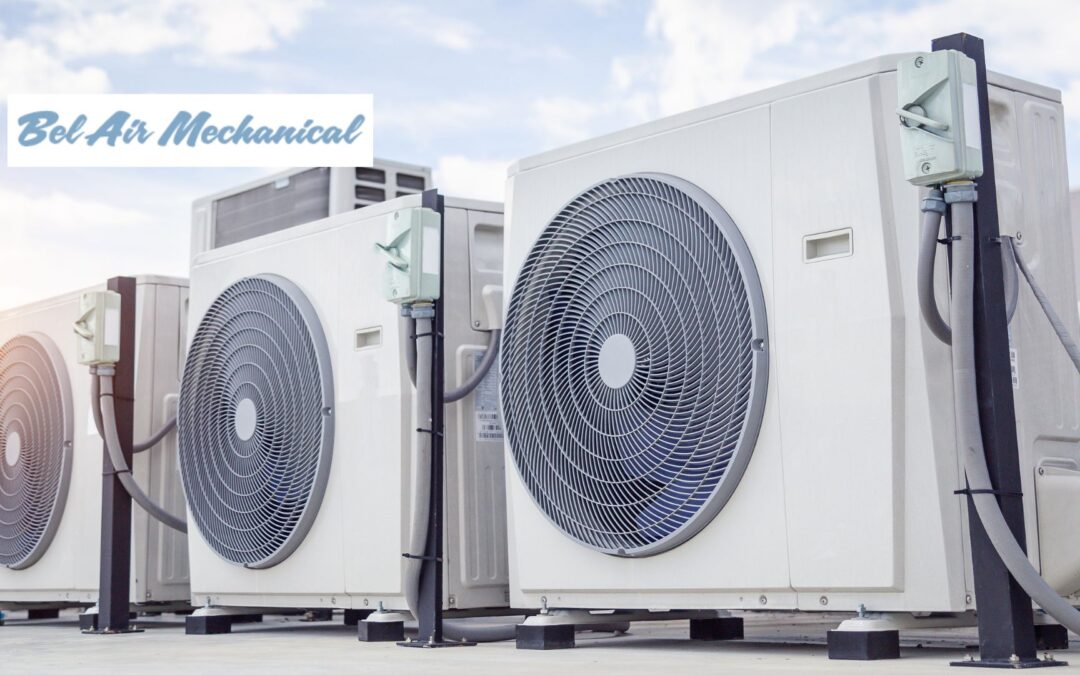
An air conditioning system is primarily focused on cooling. A classic central air conditioner includes an outdoor condenser unit, an indoor air handler or furnace, and a network of ducts. The fundamental process involves:
- Refrigerant absorbs heat from inside the home at the evaporator coil.
- The refrigerant is compressed and releases heat outdoors at the condenser coil.
- A thermostat controls when the system turns on and off to maintain the desired temperature.
- Ductwork distributes cooled air throughout living spaces.
- A condensate drain removes humidity from the air.
In many homes, the AC is part of an hvac setup, but standalone AC units exist as window units or portable units that cool without providing heating or ventilation. If your primary goal is to stay comfortably cool, a high-quality AC system is essential, and it can be integrated into an hvac framework for year-round comfort.
How an HVAC System Differs
HVAC is a broader concept. An hvac system includes heating, ventilation, and air conditioning, plus components and controls that coordinate these functions. Here’s what sets hvac apart:
- Heating: This can be provided by furnaces (gas or electric), heat pumps, or boilers, depending on the climate and energy strategy.
- Ventilation: This involves bringing in fresh outdoor air and exhausting stale indoor air, which improves indoor air quality and indoor environmental comfort.
- Air Conditioning: The cooling component, which can be centralized or distributed through ductless mini-splits, depends on the setup.
The advantage of HVAC is unified control. A single thermostat, zoning, and common control systems can manage heating and cooling with consistent efficiency. In addition, hvac systems often feature advanced filtration, humidity control, and energy management for better overall comfort and health.
Common Configurations: Central vs. Ductless
- Central AC within an hvac system: A central air conditioner works with a furnace or air handling unit and a network of ducts. It cools the entire space efficiently and is a common choice for single-family homes.
- Ductless mini-split systems: These systems provide flexible cooling (and sometimes heating) without extensive ductwork. They’re particularly useful for additions, historic spaces, or rooms that cannot easily share ducting.
- Heat pumps as part of hvac: In milder climates, a heat pump can provide both heating and cooling, often with higher efficiency. When paired with proper ventilation and filtration, a heat pump-based hvac system can cover most climate-control needs.
Efficiency, Costs, and Considerations
Choosing between focusing on AC versus implementing a full hvac system depends on several factors:
- Climate: Regions with hot summers and cold winters benefit from hvac because it delivers year-round comfort.
- Home design: Older homes or spaces with limited ductwork may benefit from ductless hvac solutions.
- Energy efficiency: Modern hvac systems, especially those using variable-speed blowers, smart thermostats, and high-seER equipment, offer substantial energy savings over time.
- Indoor air quality: Ventilation and filtration are often integrated into hvac, which can improve health outcomes in homes and workplaces.
In many cases, upgrading to a modern hvac system can be more cost-effective in the long run, thanks to improved efficiency, better humidity control, and enhanced air quality. If you already have central air, expanding to a complete hvac solution with a fresh air intake and advanced filtration might be a smart move.
Maintenance and Longevity
- Regular maintenance for AC units includes filter replacement, coil cleaning, refrigerant level checks, and thermostat calibration.
- hvac maintenance expands to include furnace or heat pump servicing, ventilation checks, and air-quality system maintenance. This broader scope helps prevent breakdowns and maintains consistent comfort.
Professional inspections every year or two are recommended, depending on the system type and usage. A well-maintained hvac system can extend equipment life and keep energy bills reasonable.
Final Thoughts
Understanding the difference between AC and hvac helps you make informed decisions about your climate-control needs. AC is the cooling component, essential for hot days, while hvac represents an integrated approach that provides heating, ventilation, and air conditioning under one coordinated system. If you’re aiming for year-round comfort with better air quality and energy efficiency, investing in a modern hvac solution is often the smart choice. When in doubt, consult a qualified HVAC technician to assess your home’s layout, climate, and goals, and they can tailor a plan that optimizes performance, comfort, and cost.
If you found this post helpful, share it with someone considering an upgrade to their cooling and heating setup. The right hvac configuration can transform comfort, efficiency, and health in any space.
Contact Bel Air Mechanical for your HVAC needs!
Recent Comments