
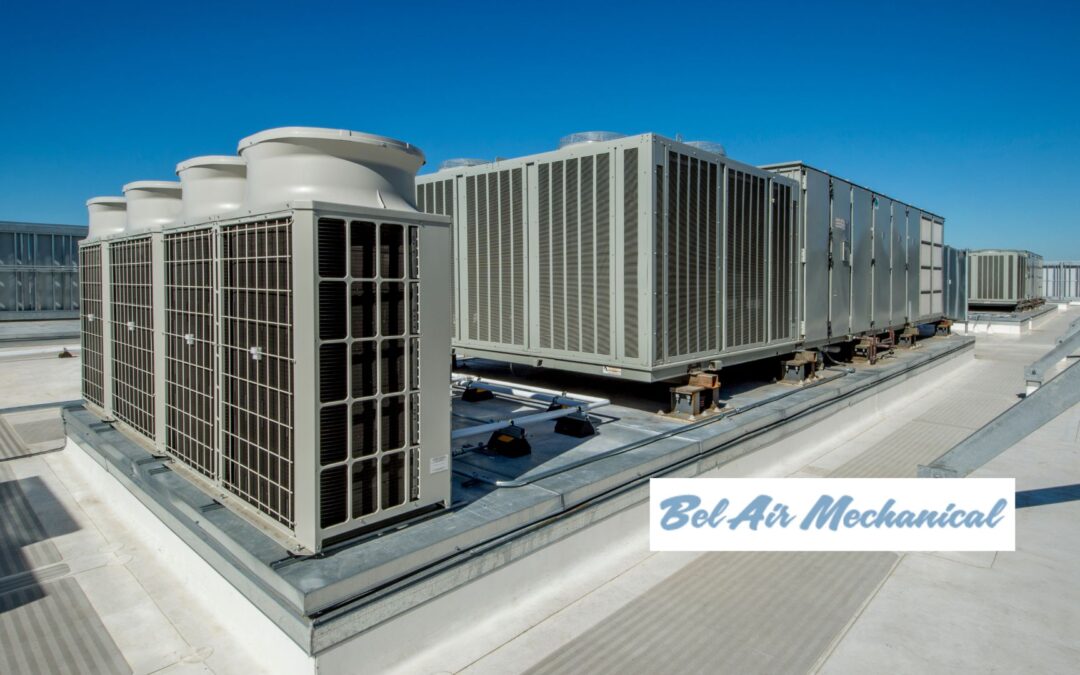
What is an HVAC System and How Does It Work?
What is an HVAC System and How Does It Work? Heating, ventilation, and air conditioning (HVAC) systems are the backbone of indoor comfort. From chilly winter mornings to scorching summer afternoons, an efficient HVAC system keeps the indoor environment safe, healthy, and comfortable. In this post, we’ll break down what an HVAC system is, how it works, and why understanding its components can help you appreciate the benefits, including the many hvac benefits that come with proper installation and maintenance.
Introduction to HVAC: The Basics
An HVAC system is a network of equipment designed to control temperature, humidity, air quality, and airflow within a building. At its core, an HVAC system comprises three main functions:
- Heating: Raising indoor temperatures using furnaces, boilers, or heat pumps.
- Ventilation: Bringing in fresh outdoor air and exhausting stale indoor air.
- Air Conditioning: Removing heat and humidity to cool indoor spaces.
Together, these elements create a comfortable and healthy living or working environment. The term HVAC is often used interchangeably with heating and cooling systems, but it also encompasses air quality and ventilation practices that contribute to overall indoor environmental quality.
Key Components of an HVAC System
Understanding the major components helps explain how the system delivers comfort:
- Thermostat: The user interface for setting desired temperatures and modes. Modern smart thermostats also learn routines and optimize energy use.
- Furnace or Heat Source: Burns fuel (gas, oil) or uses electricity to generate heat.
- Heat Exchanger: Transfers heat from the furnace to the air without mixing combustion gases with the living space.
- Blower Motor: Circulates heated air through ductwork.
- Ductwork: Channels conditioned air to and from rooms.
- Air Conditioner or Heat Pump: Removes heat from indoor air; heat pumps can reverse the cycle for heating.
- Evaporator Coil and Condenser: Critical components of the refrigeration cycle in cooling mode.
- Refrigerant: The working fluid that absorbs and releases heat as it circulates through the system.
- Ventilation Equipment: Ventilation fans, air exchangers, or ERV/HRV systems provide fresh air exchange and improve indoor air quality.
- Humidifier/Dehumidifier: Manages moisture levels to improve comfort and health.
How an HVAC System Works: The Basic Cycles
There are two primary cycles in most HVAC systems: heating and cooling. Many homes use a heat pump or a furnace paired with an air conditioner, which can cover both heating and cooling needs.
- Heating cycle (furnace or heat pump):
- In a gas furnace, a burner heats air, which is then circulated by the blower through the ductwork.
- In an electric furnace, electric resistance elements generate heat.
- In a heat pump, refrigerant absorbs heat from the outside air (even when chilly) and releases it inside via the indoor coil.
- Cooling cycle:
- The air conditioner or heat pump uses the evaporator coil to absorb heat from inside the house. The refrigerant, now a low-pressure gas, travels to the condenser outside, where it releases heat and condenses back into a liquid. The cycle repeats, cooling the indoor air.
During operation, the thermostat acts as the conductor, signaling when to heat, cool, or ventilate based on the set temperature and humidity goals.
The Importance of Ventilation and Humidity Control
Ventilation is more than just bringing in fresh air; it helps dilute indoor pollutants such as dust, volatile organic compounds (VOCs), and moisture that can lead to mold growth. Proper humidity control is essential for comfort and health. Too much humidity can foster mold and dust mites, while too little can cause dry skin and irritated eyes. HVAC systems with humidifiers or dehumidifiers help maintain an optimal indoor humidity level, typically between 30% and 50%.
hvac benefits: Why Maintenance Matters
Regular maintenance unlocks the full hvac benefits of a system. Here are some key advantages:
- Improved energy efficiency: Clean filters, coils, and ducts reduce resistance and help the system reach setpoints faster.
- Lower operating costs: Efficient systems use less energy, which lowers utility bills.
- Better indoor air quality: Clean filters and proper ventilation reduce allergens and pollutants.
- Longer system lifespan: Routine tune-ups prevent small problems from becoming major failures.
- Consistent comfort: Regular maintenance ensures uniform heating and cooling across spaces.
Choosing the Right System for Your Space
Selecting an HVAC system depends on climate, home size, insulation, and budget. Common options include:
- Central air conditioning with a furnace
- Central air with a heat pump (for climates with moderate heating and cooling)
- Mini-split systems for zoned cooling or heating
- Heat pump with backup furnace for very cold climates
A professional assessment can help determine the most cost-effective and efficient solution, maximizing hvac benefits over time.
Energy Efficiency and Modern Innovations
Advances in technology have increased the efficiency and capability of HVAC systems:
- High-efficiency SEER and AFUE ratings
- Variable-speed motors and 2-stage cooling/heating
- Smart thermostats and home automation
- Zoned systems that tailor comfort to different rooms or areas
- Improved refrigerants with lower global warming potential
Investing in upgrading to a higher-efficiency unit or adding smart controls can significantly enhance hvac benefits by reducing energy usage and improving comfort.
What is an HVAC System and How Does It Work? – Final thoughts
An HVAC system is more than just machinery; it’s the backbone of indoor comfort, health, and efficiency. Understanding how it works helps homeowners appreciate the hvac benefits that come with proper selection, installation, and ongoing maintenance. From reliable temperature control to improved air quality and energy savings, a well-maintained HVAC system supports a healthier, more comfortable living environment throughout the year. If you’re considering an upgrade or replacement, consult a licensed HVAC professional to assess your needs and design a system that delivers optimal performance and long-term savings.
Call Bel Air Mechanical today if you have any questions about your HVAC system
Recent Comments